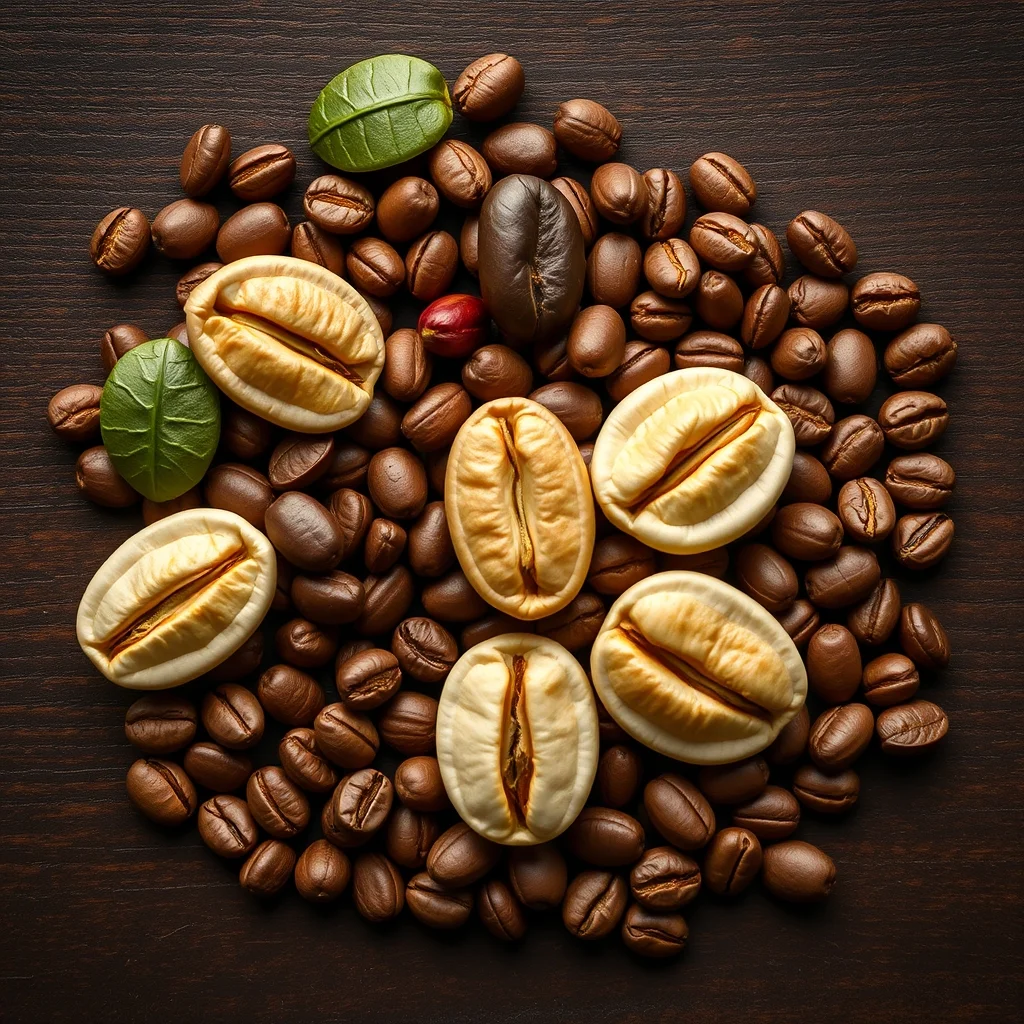
10 Rare Coffee Beans You Must Try for a Unique Brewing Experience
Discover 10 exotic coffee beans from around the world that elevate your brew with rare flavors, aromas, and brewing techniques. From the floral notes of Geisha to the wild berry hints of Jamaican Blue Mountain, these beans promise an unforgettable cup.
The world of coffee is vast, but few beans captivate the senses like rare and exotic varieties. These limited-edition beans, often grown in remote regions under unique conditions, offer flavors and aromas that mass-produced coffee simply cannot match. Whether you're a seasoned coffee enthusiast or a curious newcomer, exploring rare beans is a journey worth taking. Their scarcity, coupled with distinctive taste profiles, makes them prized possessions among collectors and baristas alike. But what exactly defines a 'rare' coffee bean, and why should you seek them out?
Top 10 Rare Coffee Beans to Explore
1. Geisha (Panama)
Origin: Boquete, Panama
Flavor Profile: Floral, jasmine, bergamot, tropical fruit
Brewing Method: Pour-over, AeroPress
Where to Buy: Specialty roasters like Volcanica Coffee or Honduras Coffee Imports
Geisha beans, originally from Ethiopia but perfected in Panama, are the gold standard of rare coffee. Their delicate, tea-like body and bright acidity make them a favorite in high-end cafes. The beans thrive in high-altitude microclimates, where cool nights and warm days concentrate their sugars, resulting in a complex cup.
2. Jamaican Blue Mountain
Origin: Blue Mountains, Jamaica
Flavor Profile: Mild, nutty, chocolatey, with a hint of citrus
Brewing Method: Drip coffee, French press
Where to Buy: Bluefields Corporation or Jamaican Coffee Growers Association
Jamaican Blue Mountain is one of the most famous rare coffees, known for its smooth, balanced flavor and lack of bitterness. Grown at elevations between 3,000 and 5,500 feet, these beans are handpicked and meticulously processed to ensure quality. Due to strict export quotas, authentic Blue Mountain beans are rare even in Jamaica, making them a luxury item.
3. Kopi Luwak (Indonesia)
Origin: Sumatra, Java, Sulawesi
Flavor Profile: Earthy, smooth, with a hint of caramel
Brewing Method: Espresso, pour-over
Where to Buy: Kopi Luwak Direct or SCA-certified retailers
Kopi Luwak is produced from coffee cherries eaten and excreted by the Asian palm civet. This unique fermentation process breaks down proteins in the beans, reducing bitterness and enhancing smoothness. While ethical concerns have arisen around civet welfare, ethically sourced Kopi Luwak remains a sought-after delicacy with a rich, velvety texture.
4. St. Helena Coffee (Saint Helena)
Origin: Saint Helena, British Overseas Territory
Flavor Profile: Bright acidity, fruity, with floral notes
Brewing Method: Pour-over, cold brew
Where to Buy: St. Helena Coffee Company
Grown on the remote island of Saint Helena in the South Atlantic, this coffee is one of the rarest in the world. The beans are handpicked from trees descended from plants brought by Napoleon during his exile. The island's volcanic soil and cool climate impart a bright, wine-like acidity and a complex, fruity profile.
5. Hawaiian Kona Coffee (Hawaii, USA)
Origin: Kona District, Big Island, Hawaii
Flavor Profile: Medium-bodied, smooth, with hints of nuts and fruit
Brewing Method: Drip coffee, cold brew
Where to Buy: Kona Coffee Farmers Association
Grown on the slopes of Mauna Loa and Hualalai, Kona coffee thrives in the mineral-rich volcanic soil and ideal climate of Hawaii. The beans are handpicked and sun-dried, resulting in a smooth, medium-bodied cup with subtle fruit and nut notes. Due to limited land availability, Kona coffee is produced in small quantities, making it a prized rarity.
6. Yemen Mocha (Yemen)
Origin: Sana’a, Yemen
Flavor Profile: Winey, chocolatey, with spicy and fruity undertones
Brewing Method: Turkish coffee, espresso
Where to Buy: Yemen Coffee Imports or Sweet Maria’s
Yemen Mocha is one of the oldest coffee varieties in the world, with a history dating back to the 15th century. The beans are grown in terraced farms in the rugged mountains of Yemen, where traditional dry-processing methods enhance their winey, chocolatey flavors. The scarcity of Yemeni coffee, coupled with its rich history, makes it a must-try for collectors.
7. Bourbon Pointu (Réunion Island)
Origin: Réunion Island, France
Flavor Profile: Sweet, fruity, with a hint of spice
Brewing Method: Pour-over, AeroPress
Where to Buy: Bourbon Pointu Estate
Bourbon Pointu is a rare mutation of the Bourbon coffee variety, known for its pointed beans and exceptional sweetness. Grown on the volcanic slopes of Réunion Island, these beans produce a cup with bright acidity, fruity notes, and a velvety mouthfeel. The beans are handpicked and processed with care to preserve their delicate flavors.
8. Black Ivory Coffee (Thailand)
Origin: Chiang Rai, Thailand
Flavor Profile: Smooth, earthy, with a hint of chocolate and tropical fruit
Brewing Method: Espresso, pour-over
Where to Buy: Black Ivory Coffee
Similar to Kopi Luwak, Black Ivory Coffee is produced from beans eaten and excreted by elephants. The beans undergo a natural fermentation process in the elephant’s digestive tract, which breaks down proteins and reduces bitterness. The result is a smooth, aromatic cup with subtle chocolate and tropical fruit notes. Ethical sourcing and animal welfare are prioritized in its production.
9. Maragogype (Brazil)
Origin: Bahia, Brazil
Flavor Profile: Mild, nutty, with a hint of fruit
Brewing Method: Drip coffee, French press
Where to Buy: Brazil Coffee Board or specialty roasters
Known as the "elephant bean" for its large size, Maragogype is a rare mutation of the Typica variety. Grown in Brazil’s Bahia region, these beans produce a mild, nutty cup with subtle fruit notes. Their size makes them ideal for manual brewing methods, where their flavors can fully develop.
10. Sidamo (Ethiopia)
Origin: Sidamo region, Ethiopia
Flavor Profile: Bright acidity, floral, with berry and citrus notes
Brewing Method: Pour-over, AeroPress
Where to Buy: Ethiopian Coffee Importers or Volcanica Coffee
Sidamo is one of Ethiopia’s most celebrated coffee varieties, grown in the highlands of the Sidamo region. The beans produce a cup with bright acidity, floral aromas, and notes of berry and citrus. Their complex flavor profile and rich history make them a staple in specialty coffee shops worldwide.
How to Identify and Brew Rare Beans for Maximum Flavor
Rare coffee beans demand careful handling to unlock their full potential. Start by checking the roast date—freshness is critical, as older beans lose their delicate flavors. Store them in an airtight container away from light, heat, and moisture. When brewing, use filtered water and adjust your grind size to match the brewing method. For example, pour-over methods like the Chemex work best with a medium-fine grind, while French press requires a coarser grind. Experiment with water temperature: lighter roasts shine at 195–205°F (90–96°C), while darker roasts benefit from slightly hotter water (200–210°F or 93–99°C).
Don’t rush the process—rare beans often require a slower, more deliberate brewing approach. Taste as you go and adjust variables like brew time and coffee-to-water ratio to highlight their unique characteristics. If you’re new to rare beans, start with a single-origin pour-over to appreciate their nuances before moving on to espresso or cold brew.
Why Rare Beans Are Worth the Investment
Beyond their exceptional taste, rare coffee beans represent a commitment to sustainability and ethical sourcing. Many of these beans are grown by smallholder farmers who rely on traditional, labor-intensive methods to produce high-quality crops. By purchasing rare beans, you support these communities and encourage the preservation of heirloom varieties that might otherwise disappear.
Rare beans also hold collector’s value. Limited production and high demand make them a sought-after commodity, with some varieties fetching hundreds of dollars per pound. For coffee enthusiasts, owning a bag of Jamaican Blue Mountain or Geisha beans is akin to possessing a fine wine or rare whiskey—an experience to savor and share.
Moreover, rare beans often introduce drinkers to new flavor dimensions. If you’ve grown accustomed to commercial blends, trying a rare single-origin bean can be revelatory. The complexity and depth of flavors in these beans can transform your daily coffee ritual into a gourmet experience.
So, which rare bean will you try first? Whether you’re drawn to the floral elegance of Geisha, the chocolatey richness of Yemen Mocha, or the smooth luxury of Jamaican Blue Mountain, one thing is certain: your coffee journey is about to get a lot more exciting.